How to live a low-carbon life: an interview with the man who has the UK's smallest carbon footprint
- Emily Latimer
- Jun 21, 2021
- 4 min read
Updated: Jul 21, 2021

Foraging in bins and washing with one cup of cold water, meet John Cossham, the winner of the Oxfam Carbon Footprint Competition in 2008.
John works as a children’s entertainer but has a BSc Environmental Health degree and also makes and sells compost. A father of two, he lives with his wife in York.
John is passionate about wildlife and at the age of 18 had a powerful experience that cemented this connection with the planet and its ecology. Since then he has been vegetarian, started foraging for edible mushrooms and other food, and became politically active, exploring feminism and Green politics.
John often speaks publically about climate science, having run for election 13 times, and tells me: "I like to practice what I preach, so if I want to talk about something I will already be doing it."
So, what does a typical day look like for him?
John washes with a flannel and cold water even in the winter and occasionally on hot and sweaty days, for a second time in the afternoon.
He also uses a salt block which stops him from sweating, which he says: "costs about £6 and lasts for years."
Then, about once every week or two, he has a long bath with water warmed either by solar heat or a mixture of solar and stove.
John has two smoke-free wood stoves that he heats the house with. One of them has large pans of water on and a 13-pint kettle which he can use to pour into the bath.
He also has a special modulating boiler that takes the water collected on his roof and heats it to the required temperature after it’s been heated in the sun, making it more energy-efficient.
In addition, John has an outdoor compost toilet with a commode and a bucket with which he uses sawdust. When the bucket is full, he takes it to the bottom of the garden to the compost bin which takes around 18 months to fill. He then uses that compost under the fruit trees and plants around his garden.
Using a water butt outside, he uses rainwater over his hands to wash them.
Though John admits they do have a normal toilet too, which he says: "I use more when it's frosty outside!"
In terms of food, John is a freegan and tells me: "I started collecting things from skips when I was 20, living with no heating and two fire back boilers. I would go around looking in skips for bits of wood and started finding all sorts of things which lead me to look in bins for food."
He also forages for wild garlic, nuts, mushrooms and other foods.
John's main mode of transport is a bike with a trailer on the back which he has fitted an electric motor onto. He tells me: "I will cycle 10-15 miles for a gig with my trailer or take it on the train."
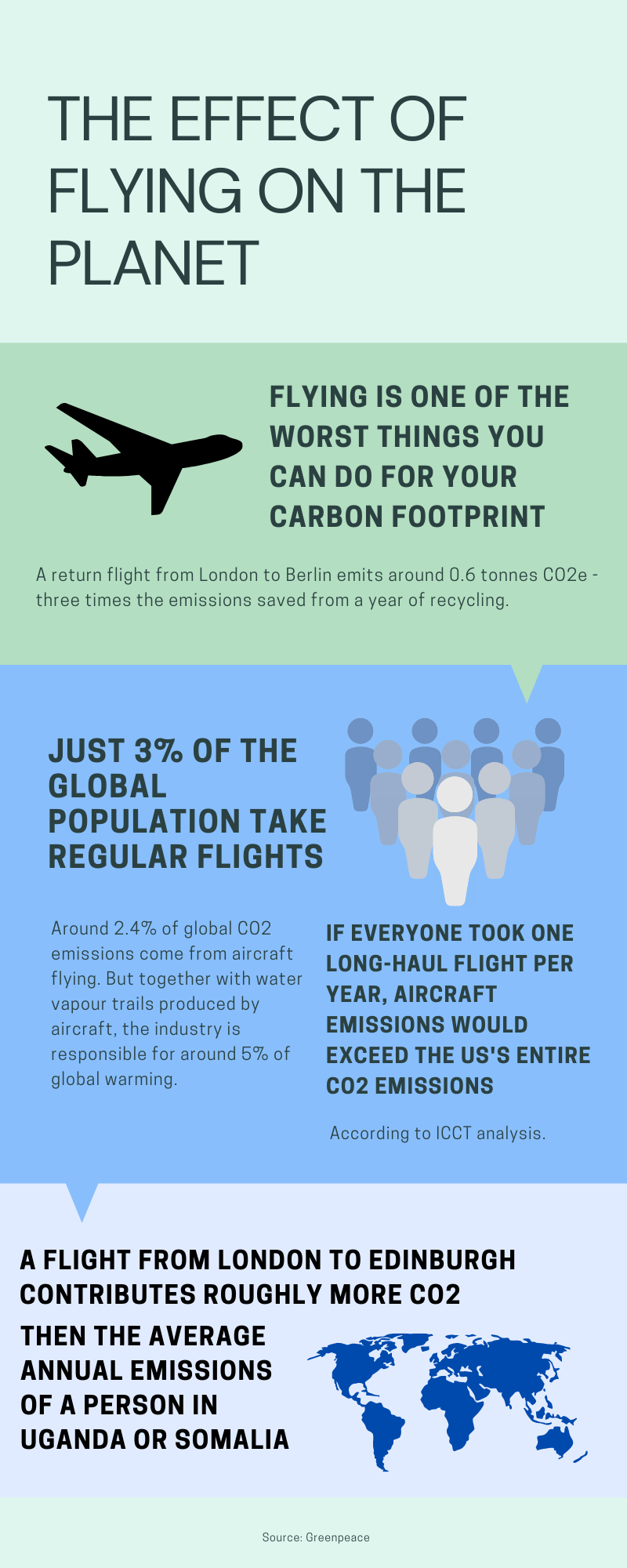
Although John has a full driver's licence, he hasn't driven since he passed his test as he says: "When you don’t have a car you can’t get into the habit." As well as this, he also hasn’t taken a flight for about twenty years.
In terms of appliances, John says they have an eco-friendly washing machine but occasionally wash things by hand. In response to how they clean the dishes, he replies: "I am the dishwasher!"
Whilst he has some electrical appliances like a paper shredder and a small laptop, he makes sure to switch them off and doesn’t leave things on standby.
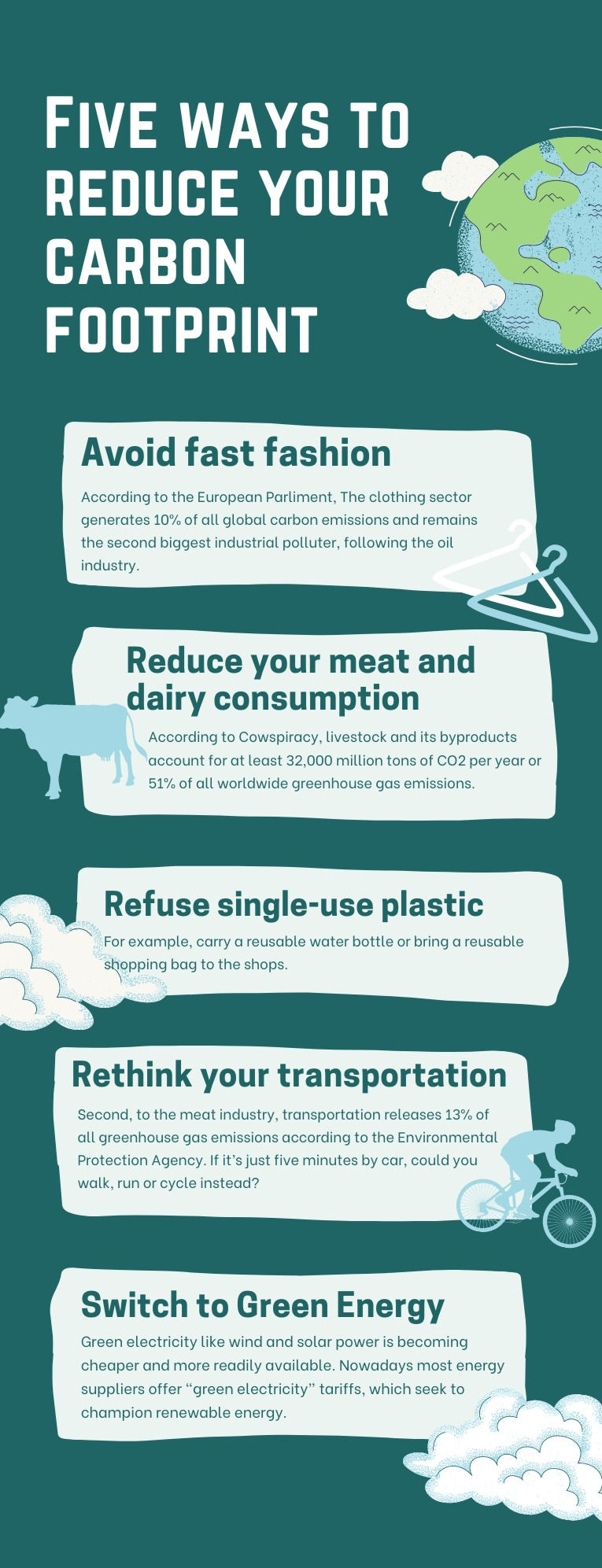
John is also careful to get his clothes from second-hand shops and doesn’t buy new things often but when he does, will invest so that they will last longer.
What are his top tips for being environmentally ethical?
"Our carbon footprint is made up into quarters: the way we travel, our food, our home energy and heating, and the things we buy. Then there is another bit we have no control over which is what the government does for us," John explains.
John suggests in order to become more green, to focus on one of these things.
For example, he says: "Get green electricity for your house, don’t use fossil fuels and re-use waste."
He also emphasises: "Reduce, re-use, repair then recycle before you throw anything away."
What about carbon offsetting or things that attempt to reduce a high carbon footprint?
The idea behind carbon offsetting is that the carbon emissions generated through an activity (like flying) can be calculated, and then the equivalent amount “paid off” via a scheme that removes carbon from the atmosphere (such as tree planting).
But John says: "I'm generally against carbon offsetting as it allows and gives people who emit a lot the opportunity to continue to emit a lot despite the fact carbon offsetting may or may not work."
Unfortunately, carbon offsetting can be dubious and there are mixed findings as to whether many carbon offsets actually make a positive difference.
Does being sustainable require privilege or money?
John suggests that in fact, the opposite is true. He says: "There is a correlation between income and carbon footprint that the higher your footprint the higher your income. I’m on a really low income, which means I don’t buy stuff and I’m resourceful. Being low carbon is actually cheaper than being high carbon."

This is supported by the United Nations Environmental Programme’s 2020 Emissions Gap report. The report revealed massive discrepancies between the world’s richest people and the bottom 50% of the global population when it comes to global emissions.
It found that whilst just 70 million people make up the financial top 1% of the globe, compared to 3.5 billion people at the bottom 50%, the top account for a staggering 15% of global emissions.
Though Lucy Ingram, a Climate Change MSc graduate, points out that being environmentally ethical can be challenging in other ways. She tells me: "People talk about how cheap it is to eat sustainably and travel etc., but all of that takes time. Time is a privilege that some people do not have. For example, if you work full-time and have children, I can understand needing products that are cheap, single-use and easy to get a hold of."
She adds: "Even if an individual has some free time, they may want to relax rather than going to their local refill store when it may be quicker and easier to have their shopping delivered to their door, which is logical."
At the end of the day, anything any of us can do, no matter how small, to make a difference, can only be a good thing.
Read next:


Comments